


Overview of Advanced Eye Treatment Techniques in Turkey
Turkey has emerged as one of the leading destinations for medical tourism, particularly in the field of eye care. With state-of-the-art facilities, highly skilled ophthalmologists, and cutting-edge treatment techniques, Turkey is increasingly recognized as a global leader in advanced eye treatments. Whether you’re seeking treatment for common vision issues like cataracts or refractive errors, or more complex conditions like glaucoma and retinal diseases, Turkey offers a wide range of innovative solutions.
In this article, we will provide an overview of some of the most advanced eye treatment techniques available in Turkey, highlighting the latest technologies and the benefits they offer to patients both locally and internationally.
1. Laser Eye Surgery (LASIK, SMILE, and PRK)
Laser eye surgery is one of the most popular and advanced treatments for vision correction worldwide. In Turkey, clinics use the latest laser technologies to provide safe and effective procedures with minimal recovery time. The three most common laser treatments offered for refractive vision problems are:
LASIK (Laser-Assisted in Situ Keratomileusis)
LASIK is the most widely performed refractive surgery, used to treat nearsightedness, farsightedness, and astigmatism. The procedure involves reshaping the cornea with a laser to improve how light enters the eye. It is well-known for its quick recovery and high success rates.
- Why It’s Advanced: The use of femtosecond lasers in LASIK allows for more precise incisions and improved healing times. Turkey’s leading clinics use the latest femtosecond technology, reducing the risk of complications and ensuring better outcomes.
SMILE (Small Incision Lenticule Extraction)
SMILE is a newer, minimally invasive laser treatment that requires no corneal flap. Instead, it removes a small piece of corneal tissue (lenticule) through a small incision. SMILE is a gentler procedure, especially for patients with higher prescriptions or thinner corneas.
- Why It’s Advanced: SMILE uses femtosecond lasers for greater precision, reduces the risk of dry eyes compared to LASIK, and has a faster recovery time. Many clinics in Turkey are now offering SMILE as a less invasive option for vision correction.
PRK (Photorefractive Keratectomy)
PRK is another laser treatment option that reshapes the cornea to improve vision. Unlike LASIK, PRK does not involve creating a flap in the cornea, which can be advantageous for patients with corneas that are too thin for LASIK. PRK is particularly beneficial for those with minor refractive errors.
- Why It’s Advanced: PRK uses excimer lasers for precise corneal reshaping, and modern technology has significantly improved the recovery time and visual outcomes.
2. Femtosecond Laser-Assisted Cataract Surgery
Cataract surgery is one of the most common surgeries performed in Turkey, and with the advent of femtosecond laser technology, cataract removal has become more precise and safer than ever before.
How It Works:
In femtosecond laser-assisted cataract surgery, a femtosecond laser is used to perform several steps of the surgery, such as creating the incision in the cornea, performing a precise capsulotomy (the opening of the cataract capsule), and softening the cataract for easier removal.
- Why It’s Advanced: Femtosecond lasers provide a higher level of precision compared to traditional methods, leading to better post-operative outcomes, quicker recovery, and a reduced risk of complications. Turkey’s clinics offer femtosecond laser cataract surgery, often combined with premium intraocular lenses (IOLs) for optimal vision.
3. Retinal Treatments and Surgeries
Retinal diseases, such as macular degeneration, diabetic retinopathy, and retinal detachment, are among the most serious eye conditions. Turkey offers a variety of advanced retinal treatments to manage these conditions, including:
Anti-VEGF Injections for Retinal Diseases
One of the most advanced treatments for retinal diseases like diabetic retinopathy and macular degeneration is the use of anti-VEGF (vascular endothelial growth factor) injections. These injections help to stop the growth of abnormal blood vessels in the retina, preventing further damage.
- Why It’s Advanced: Anti-VEGF therapy has revolutionized the treatment of retinal diseases by halting disease progression and improving vision. Clinics in Turkey use the latest-generation anti-VEGF drugs, ensuring the highest success rates in managing these conditions.
Vitrectomy for Retinal Detachment and Other Disorders
Vitrectomy is a surgical procedure used to treat retinal detachment, macular holes, and other retinal disorders. It involves the removal of the vitreous gel from the eye, allowing the surgeon to repair the retina.
- Why It’s Advanced: Modern vitrectomy techniques, combined with surgical microscopes and high-resolution imaging systems, enable surgeons in Turkey to perform the procedure with exceptional precision, minimizing risks and optimizing recovery.
4. Glaucoma Treatment and Management
Glaucoma is a serious eye condition that can lead to blindness if not managed properly. Turkey’s clinics use the latest technologies to diagnose and treat glaucoma effectively.
Laser Treatments for Glaucoma
Laser therapy is an effective way to treat certain types of glaucoma. Two of the most common laser treatments used in Turkey are:
- Laser Trabeculoplasty: Used to treat open-angle glaucoma by improving the drainage of fluid in the eye, reducing intraocular pressure.
- Laser Iridotomy: Used for angle-closure glaucoma, creating a small hole in the iris to improve fluid drainage and reduce pressure.
- Why It’s Advanced: Laser treatments are non-invasive and can be performed on an outpatient basis. They offer quick recovery times and can help manage glaucoma without the need for more invasive surgery.
Minimally Invasive Glaucoma Surgery (MIGS)
Turkey’s clinics are also increasingly adopting MIGS techniques, which are minimally invasive surgical options for managing glaucoma. MIGS procedures involve small incisions and are designed to reduce intraocular pressure without causing significant trauma to the eye.
- Why It’s Advanced: MIGS offers reduced recovery times and fewer complications compared to traditional glaucoma surgeries. It is particularly beneficial for patients with early to moderate glaucoma.
5. Ocular Surface and Dry Eye Treatments
Many patients suffer from dry eye syndrome or other ocular surface disorders, which can cause discomfort and impact vision quality. Turkey’s clinics offer advanced treatments for managing these conditions.
Punctal Plugs and LipiFlow Treatment for Dry Eyes
- Punctal Plugs: These are tiny devices inserted into the tear ducts to block the drainage of tears, increasing moisture on the surface of the eye.
- LipiFlow Treatment: A system that uses heat and massage to unclog the meibomian glands, improving the quality of the tears and reducing symptoms of dry eye.
- Why It’s Advanced: Both treatments offer relief from the discomfort caused by dry eyes and are customized based on the specific needs of each patient. They are non-invasive and have a high success rate in improving tear production and eye health.
6. Pediatric Ophthalmology and Vision Correction
Turkey has made significant advancements in pediatric ophthalmology, offering early diagnosis and treatment for eye conditions in children. Techniques like amblyopia treatment (lazy eye therapy), strabismus surgery (to correct misaligned eyes), and vision therapy are commonly available in Turkish clinics.
- Why It’s Advanced: Turkey’s pediatric ophthalmologists are trained to work with children of all ages, offering cutting-edge treatments that can prevent long-term vision problems. These treatments often use advanced diagnostic tools and specialized therapies to improve outcomes for young patients.
7. Why Choose Turkey for Advanced Eye Treatment?
There are several compelling reasons why Turkey has become a popular destination for advanced eye treatments:
- Affordable Prices: Eye treatments in Turkey are often significantly more affordable than in other countries, making it an attractive option for patients seeking high-quality care at a lower cost.
- Advanced Technology: Turkey’s clinics are equipped with the latest technologies, ensuring the highest levels of precision and safety in treatments.
- Experienced Surgeons: Many ophthalmologists in Turkey have received international training and have extensive experience with advanced eye procedures.
- International Patient Care: Clinics in Turkey offer specialized services for international patients, including translation, concierge services, and medical tourism packages.
- World-Class Medical Facilities: Turkey boasts many JCI-accredited hospitals and clinics, ensuring high standards of care and patient safety.
How Femtosecond Laser Technology Is Transforming Eye Treatments in Turkey
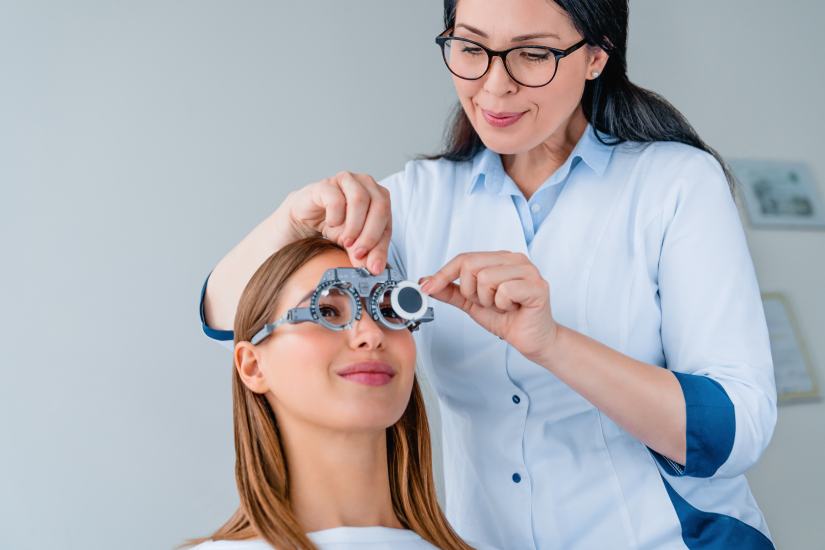
Over the past few decades, laser technology has revolutionized the field of ophthalmology, offering safer, more precise, and more effective treatments for a variety of eye conditions. One of the most significant advancements in this area is femtosecond laser technology. This cutting-edge technology has greatly improved the safety and effectiveness of several eye procedures, including LASIK, cataract surgery, and corneal surgeries.
Turkey has quickly embraced femtosecond laser technology, making it a leader in advanced eye treatments. With state-of-the-art facilities, internationally trained ophthalmologists, and affordable pricing, Turkey has become a prime destination for patients seeking to benefit from the latest in eye care technology. In this article, we will explore femtosecond laser technology, how it is used in eye treatments in Turkey, and why it’s a game-changer for patients.
1. What is Femtosecond Laser Technology?
The femtosecond laser is a highly precise laser that emits pulses of light measured in femtoseconds (one quadrillionth of a second). This technology has been instrumental in advancing laser-assisted eye surgeries. The laser uses these incredibly fast pulses of light to create small, controlled incisions in the eye with extreme accuracy, without the need for traditional surgical blades.
Femtosecond lasers offer a number of advantages over traditional methods in eye surgeries, as they reduce the risk of complications, enhance precision, and allow for a faster recovery time. The precision of the femtosecond laser allows surgeons to perform delicate procedures with much higher accuracy, which leads to improved safety and better overall outcomes.
2. Femtosecond Laser in LASIK Surgery
One of the most common applications of femtosecond laser technology is in LASIK (Laser-Assisted in Situ Keratomileusis) surgery, which is performed to correct refractive vision problems such as nearsightedness, farsightedness, and astigmatism.
How Femtosecond Laser Improves LASIK:
Traditionally, LASIK surgery involved creating a corneal flap using a microkeratome (a surgical blade). While this technique was effective, it carried a small risk of complications, such as the flap being misaligned or damaged during the procedure.
With femtosecond lasers, the process of creating the corneal flap is done with much more precision. The laser creates the flap by using rapid pulses of light, which slice through the corneal tissue with extreme accuracy. This method not only reduces the risk of complications but also allows for thinner flaps that can help preserve more corneal tissue, improving the overall outcome of the procedure.
Benefits of Femtosecond LASIK:
- Greater precision and safety
- Reduced risk of complications, such as flap issues or corneal scarring
- Faster recovery times and fewer post-surgical symptoms like dry eye
- More customizable treatments for individual eye shapes
As a result, femtosecond LASIK has become the preferred method for LASIK surgery in Turkey, with many clinics adopting this advanced technology to provide patients with the safest and most effective outcomes.
3. Femtosecond Laser in Cataract Surgery
Cataract surgery is one of the most commonly performed surgeries worldwide, and femtosecond laser technology has significantly improved this procedure as well. Traditionally, cataract surgery involves manually making incisions in the cornea and using ultrasound to break up the cloudy lens. While this technique is effective, the introduction of femtosecond lasers has made cataract surgery more precise and minimally invasive.
How Femtosecond Laser Improves Cataract Surgery:
In femtosecond laser-assisted cataract surgery, the femtosecond laser is used to perform several critical steps of the procedure:
-
Making the Incision: The laser creates a precise incision in the cornea, reducing the risk of incision-related complications and promoting faster healing.
-
Capsulotomy: The laser creates a precise circular opening in the capsule that holds the cataract. This step is critical for the proper insertion of the intraocular lens (IOL).
-
Cataract Fragmentation: The femtosecond laser can break up the cataract into smaller pieces, making it easier to remove and reducing the need for ultrasound energy.
-
Increased Precision: The use of the femtosecond laser allows for greater accuracy in all stages of cataract surgery, resulting in improved outcomes and a reduced risk of complications.
Benefits of Femtosecond Laser Cataract Surgery:
- Greater precision and reduced risk of complications, such as the tearing of the lens capsule
- Reduced reliance on ultrasound energy, which minimizes heat buildup in the eye
- Faster recovery times and improved visual outcomes, especially with the use of premium IOLs
- Ideal for patients with complex cataract cases or those with astigmatism
Many leading clinics in Turkey now use femtosecond lasers for cataract surgeries, offering patients enhanced safety and more customized options for intraocular lens selection.
4. Femtosecond Laser in Corneal Procedures
Femtosecond lasers are also used in other corneal surgeries, such as keratoplasty (corneal transplants), corneal reshaping, and treatment of keratoconus (a condition where the cornea becomes thin and bulges out). The laser's ability to create precise, controlled cuts is invaluable in these delicate surgeries.
How Femtosecond Laser is Used in Corneal Treatments:
Keratoplasty (Corneal Transplantation): The femtosecond laser is used to cut precise, smooth layers of corneal tissue for transplant procedures, improving the quality of the transplant and the success rate of the surgery.
Corneal Reshaping: In procedures like corneal cross-linking, femtosecond lasers can create precise incisions to help reshape the cornea or strengthen its structure, particularly for patients with keratoconus.
Treatment of Astigmatism: The laser can also be used to correct astigmatism by reshaping the cornea with precision, offering a more accurate alternative to traditional methods.
Benefits:
- Enhanced precision in corneal surgeries
- Reduced risk of scarring and complications
- Faster recovery and better visual outcomes
5. Why Femtosecond Laser Technology is Popular in Turkey
Turkey has emerged as a leader in adopting and integrating femtosecond laser technology into eye treatment procedures, offering a number of key advantages for both local and international patients:
1. State-of-the-Art Clinics
Many of Turkey’s top eye care centers are equipped with the latest femtosecond lasers, ensuring that patients have access to the best available technology. These clinics adhere to international medical standards and use advanced equipment to deliver exceptional results.
2. Affordable Prices
Femtosecond laser technology, while advanced, is available at a fraction of the cost compared to many Western countries. Turkey offers patients the ability to undergo cutting-edge eye treatments, including LASIK and cataract surgery, at significantly lower prices without compromising on quality.
3. Experienced Surgeons
Turkish ophthalmologists are highly trained in femtosecond laser technology and have extensive experience performing advanced eye surgeries. Many of them have received training from top international institutions and are members of prestigious medical societies, ensuring that patients receive the highest level of care.
4. High Success Rates
The integration of femtosecond laser technology has contributed to high success rates in Turkey’s eye treatment procedures. Precision in both LASIK and cataract surgery, along with faster recovery times, has made Turkey a preferred destination for medical tourists seeking the best outcomes.