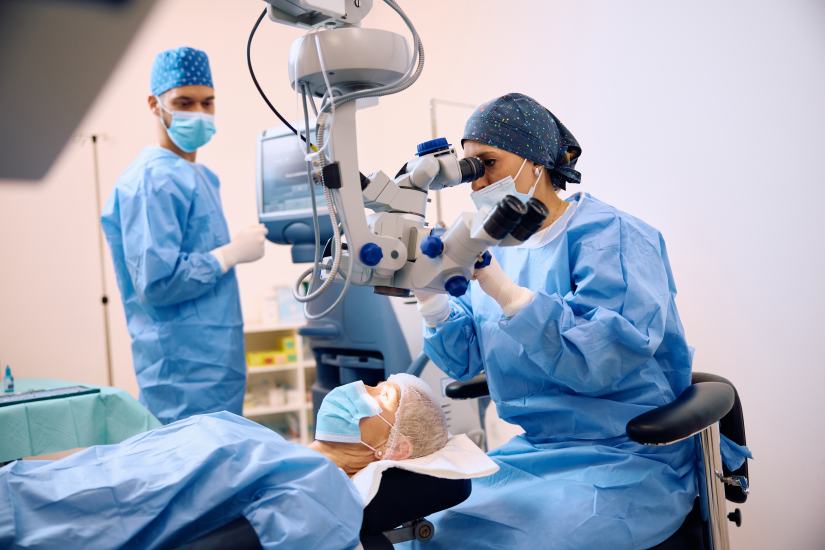
What to Expect Before and After Ophthalmology Surgery in Turkey: A Complete Guide
Undergoing ophthalmology surgery is a significant decision that can dramatically improve your vision and quality of life. Whether you are opting for LASIK or SMILE for vision correction, cataract surgery, glaucoma treatment, or procedures for more complex eye conditions like retinal disease, preparing for surgery and understanding the recovery process is essential for a successful outcome.
Turkey has become a leading destination for ophthalmology surgery due to its affordable prices, highly skilled surgeons, and world-class medical facilities. If you’re considering ophthalmology surgery in Turkey, here’s what to expect before and after your procedure.
Before Ophthalmology Surgery in Turkey
1. Initial Consultation and Eye Examination
The first step in preparing for ophthalmology surgery in Turkey is a comprehensive pre-surgery consultation. Whether you’re traveling from abroad or residing in Turkey, this consultation is critical for determining if you are a suitable candidate for surgery.
What to Expect: During the consultation, your surgeon will perform a detailed eye examination that may include:
- Visual acuity tests: To assess your current vision and identify any refractive errors.
- Corneal measurements: For procedures like LASIK or SMILE, the thickness and shape of your cornea will be measured to determine the appropriate surgery.
- Pupil dilation: To check the health of your retina and the overall condition of your eyes.
- Health evaluation: You may be asked about your general health, medical history, and any existing eye conditions to ensure you’re a good candidate for the surgery.
Why It’s Important: These tests will help the surgeon determine the most suitable type of surgery for your specific needs and will ensure your eyes are healthy enough for the procedure.
2. Preparing for Surgery
Once you’re cleared for surgery, there are a few important steps to take in preparation for the procedure itself:
- Medications: If you’re on any medications, especially for chronic conditions, be sure to inform your surgeon. Some medications may need to be adjusted or temporarily stopped before surgery.
- Eye Drops: In many cases, your surgeon will recommend a specific type of lubricating or antibiotic eye drops to be used in the days leading up to the surgery.
- Avoid Makeup: For surgeries like LASIK or SMILE, it’s essential to avoid wearing eye makeup (such as mascara or eyeliner) on the day of surgery to reduce the risk of infection.
- Transportation: Arrange transportation to and from the clinic, as you will not be able to drive yourself after surgery due to temporary visual impairments or discomfort.
3. Understanding Costs and Package Options
Turkey is known for providing affordable ophthalmology treatments without compromising quality. Many clinics offer all-inclusive packages that cover surgery, consultations, post-surgery care, accommodation, and transportation, making it easier for international patients to manage logistics and costs.
What’s Included: A typical all-inclusive package may include:
- Pre-surgery eye exams
- The surgery itself
- Post-operative medications and follow-ups
- Accommodation close to the clinic
- Transportation services (airport transfers, transport between hotel and clinic)
These packages allow you to focus entirely on your recovery, knowing that the financial and logistical aspects are already taken care of.
On the Day of Surgery
On the day of your surgery, you’ll arrive at the clinic where you will be greeted by the medical team. Here’s what to expect:
- Arrival at the Clinic: You’ll undergo a final examination and a check to ensure everything is in order. The surgeon will discuss the procedure one last time, answer any questions, and make sure you're comfortable.
- Anesthesia: For most ophthalmology surgeries like LASIK and SMILE, only a local anesthetic (in the form of eye drops) is used. You’ll be awake throughout the procedure, although the area around your eye will be numbed to prevent discomfort.
- Procedure Duration: Most laser eye surgeries take about 15-30 minutes per eye, depending on the type of surgery. Cataract surgery and other complex procedures may take slightly longer.
- Post-Procedure Rest: After the surgery, you’ll rest for a short period to ensure there are no immediate complications. Your surgeon will give you instructions for your recovery and provide eye drops or medications to aid healing.
After Ophthalmology Surgery in Turkey
1. Immediately After Surgery
Once your surgery is completed, your recovery begins immediately. While the specifics of recovery will vary depending on the type of procedure, here’s what to generally expect:
- LASIK or SMILE: After LASIK or SMILE, most patients notice improved vision within hours or the following day. You may experience some mild discomfort, such as dryness, itching, or a feeling of having something in your eye, but this typically subsides quickly.
- Cataract Surgery: After cataract surgery, you may experience blurry vision for a few days as your eye heals and adjusts to the new intraocular lens (IOL). It’s common to feel mild discomfort or irritation during the initial recovery phase.
- Retinal or Glaucoma Surgery: For more complex procedures like retinal surgery or glaucoma surgery, you may experience swelling or discomfort for several days to weeks.
- Post-Surgery Instructions: You will be provided with detailed instructions on how to care for your eyes during recovery, including information on medications, eye drops, and avoiding certain activities.
2. Recovery Timeline
- Day 1 to 3: Vision improvement should begin within the first few hours after LASIK or SMILE surgery, but it may fluctuate during the first few days. For cataract surgery, vision may still be blurry initially but should gradually improve. Mild discomfort or dryness is common, and you’ll need to rest your eyes.
- Week 1: By the end of the first week, most patients experience a noticeable improvement in their vision. Follow-up appointments are typically scheduled within the first week to ensure that the eyes are healing correctly. At this stage, it’s essential to avoid strenuous activities and follow all post-operative care instructions to ensure the best healing environment.
- 1 Month: By one month post-surgery, most patients will have stable vision. For LASIK and SMILE patients, the vision should be fully stabilized. Cataract patients should experience significant improvement in their visual clarity, though it may take a bit longer for full adaptation to the intraocular lens.
- Long-Term Recovery: Complete recovery for more complex procedures such as retinal surgeries or glaucoma treatments may take several months. It’s important to attend all follow-up appointments to monitor the recovery and make adjustments if necessary.
3. Lifestyle Adjustments During Recovery
- Avoid Strain: During the first few days and weeks after surgery, avoid activities that may strain your eyes, such as reading, screen time, or engaging in high-intensity physical activities.
- Protect Your Eyes: Wearing sunglasses to protect your eyes from UV light, dust, and irritants is important, especially during the first few weeks after surgery.
- Medication: Continue using prescribed eye drops to keep your eyes moist and reduce the risk of infection or inflammation.
4. Why Choose Turkey for Ophthalmology Surgery?
Turkey is a popular destination for ophthalmology surgery for several reasons:
- Affordable Pricing: Turkey offers laser eye surgery and other ophthalmology treatments at a fraction of the cost compared to Western countries, without compromising on quality.
- Advanced Technology: Many clinics in Turkey are equipped with the latest laser systems, femtosecond lasers, and advanced surgical technologies to ensure high precision and successful outcomes.
- Skilled Surgeons: Turkish ophthalmologists are highly trained, often receiving education and certifications from internationally recognized institutions.
- Comprehensive Medical Tourism Services: Turkey offers a full range of services for international patients, including translation, accommodation, and transportation, making it easier for you to focus on your recovery.